
KERNEL_SECURITY_CHECK_FAILURE (stop code 0x00000139) means Windows detected that a critical kernel data structure was corrupted and halted to prevent further damage, and the most common cause is an outdated or incompatible driver. The corruption can also come from defective RAM, damaged system files, or disk errors. Start by updating or rolling back your drivers, especially right after a Windows upgrade, then repair system files with DISM and SFC. Apply the fixes in order and test stability after each, because a single corruption source usually triggers the crash.
What Causes KERNEL_SECURITY_CHECK_FAILURE?
The stop code fires when a kernel data structure fails an integrity check, and that corruption almost always traces to one of four sources. Microsoft documents bug-check 0x00000139 as the kernel detecting the corruption of a critical data structure, so the fix is to find which source caused it.
Malware that modifies protected kernel structures can trigger the check directly, but it is a less common cause than the four above. If several confirmations come back clean, a full malware scan is the next step.
How Do You Fix KERNEL_SECURITY_CHECK_FAILURE?
Work through these fixes in order and test stability after each one, because a single source usually causes the crash. The steps move from the most common cause to hardware tests and recovery.
- Update or roll back your drivers. Open the latest minidump in C:\Windows\Minidump with BlueScreenView to find any named .sys file, then update display, storage, network, and chipset drivers from the device maker. If the crash began right after a Windows feature update or a Windows 10 to 11 upgrade, use the Driver tab in Device Manager to Roll Back Driver, since an old driver left behind by the upgrade is a frequent trigger.
- Repair system files with DISM, then SFC. In an administrator Terminal, run DISM /Online /Cleanup-Image /RestoreHealth first so the component store is healthy, then run sfc /scannow and restart. Running them in that order lets SFC restore files from a repaired store.
- Test the RAM with MemTest86. Run Windows Memory Diagnostic for a quick check, then boot MemTest86 from a USB drive and let several full passes complete to catch intermittent faults. Reseat the modules and test one stick at a time to isolate a failing module.
- Run chkdsk on the system drive. Run chkdsk C: /f /r from an administrator Terminal, type Y to schedule it at the next restart, and let every stage finish before Windows loads. This repairs the bad sectors and file-system errors that corrupt kernel-read files.
- Uninstall recent software or antivirus. Remove the most recent Windows quality update from Settings, Windows Update, Update history, and uninstall any third-party antivirus or low-level system utility added just before the crashes started. These low-level apps are common triggers.
- Use Safe Mode if the crash loops. If the BSOD repeats on startup, force three failed boots to open the Windows Recovery Environment, enter Safe Mode, and run the driver, SFC, DISM, and chkdsk steps from there where only essential drivers load.
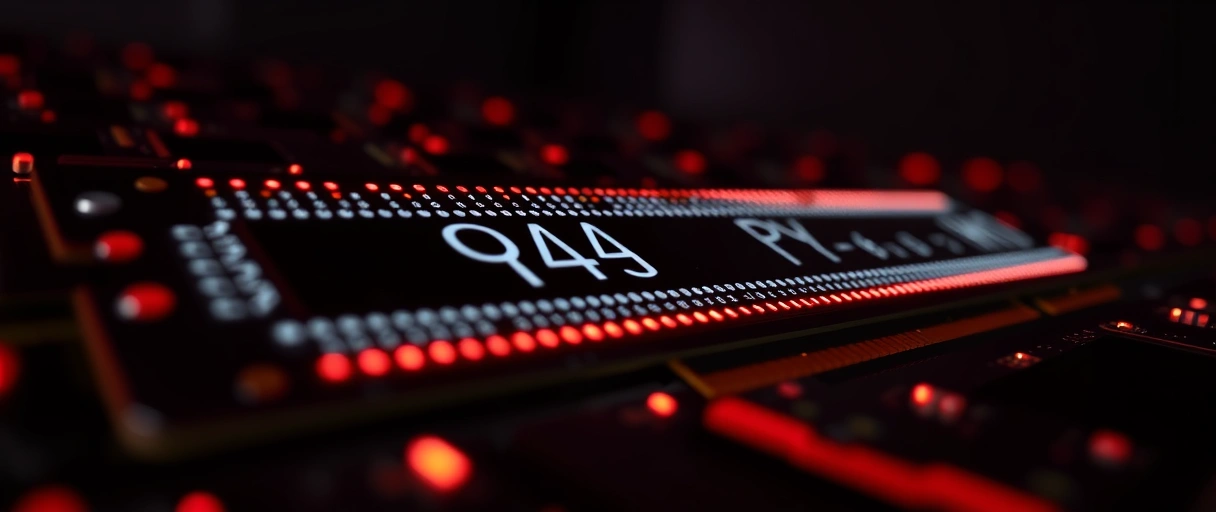
Confirm the installed modules match the board specification before replacing them, as covered in the guide to how RAM works. When adding or swapping memory, the steps to install RAM show the correct seating and slot order.
How Do You Find the Driver That Is Failing?
When the minidump does not name a driver on its own, Driver Verifier forces a crash that identifies the one corrupting memory. The tool ships with Windows and stresses every third-party driver.
- Create a System Restore point before enabling Driver Verifier.
- Type verifier in Windows Search and open Driver Verifier Manager.
- Select Create standard settings, then Select driver names from a list.
- Check all non-Microsoft drivers and click Finish, then restart.
- After the next crash, read the named driver in the minidump, then run verifier /reset to turn it off.
If the system cannot boot with Driver Verifier active, enter Safe Mode and run verifier /reset to disable it. The wider crash workflow is covered in the guide to reading BSOD stop codes.
When Is It a Hardware Fault?
If driver and system-file repairs do not stop the crash, the cause is usually memory, disk, or an unstable overclock. A full malware scan also rules out code that edits protected kernel structures.

- Defective RAM: test one module at a time to isolate a failing stick; a module that passes alone but fails when paired points to a slot or compatibility fault.
- Failing disk: repair with chkdsk, then read CrystalDiskInfo and replace the drive once it reports rising reallocated sectors.
- Unstable overclock: load optimized BIOS defaults and disable any XMP or EXPO memory profile, then re-enable it only after the system is stable at stock speeds.
- Malware: run a Microsoft Defender full scan and an Offline scan to catch rootkits that load before Windows, then quarantine every detection.
For the complete blue-screen recovery process across every stop code, see the guide to fixing the Blue Screen of Death. A related kernel crash is handled in the steps to fix SYSTEM_SERVICE_EXCEPTION.



KERNEL_SECURITY_CHECK_FAILURE Causes and Fixes
| Likely Cause | How to Confirm | First Fix |
|---|---|---|
| Outdated or incompatible driver | Named .sys file in the minidump | Update or roll back the driver |
| Defective RAM | Errors in Windows Memory Diagnostic | Reseat or replace the module |
| Corrupt system files | Errors reported by SFC or DISM | Run DISM then SFC |
| Disk errors | Bad sectors found by chkdsk | Repair with chkdsk, replace drive |
| Recent update or app | Crashes began after the change | Uninstall the update or app |
| Malware | Detections in a full scan | Quarantine, run offline scan |
Last Thoughts on KERNEL_SECURITY_CHECK_FAILURE
KERNEL_SECURITY_CHECK_FAILURE is resolved by finding the corruption that fails the integrity check, because the bug-check value 0x00000139 always points to a damaged driver, memory, or file. Update or roll back drivers first, especially after a Windows feature update or a Windows 10 to 11 upgrade, then repair system files with DISM and SFC, test RAM with Windows Memory Diagnostic and MemTest86, and run chkdsk on the system drive. Apply each fix in order and test stability, since a single source usually triggers the crash.
This stop code is one of many blue-screen faults, and the same systematic approach resolves the rest. The hub on common PC problems connects it to the wider set of fixes for crashes, boot failures, and hardware faults.
Key Takeaways:
- Stop code 0x00000139 means the kernel detected a corrupted critical data structure and halted to prevent further damage.
- An outdated or incompatible driver is the leading cause, and it often appears right after a Windows feature update or a Windows 10 to 11 upgrade.
- Update or roll back the driver named in the minidump first, then repair system files by running DISM before SFC.
- Test RAM with Windows Memory Diagnostic and several MemTest86 passes, and run chkdsk C: /f /r to find disk errors.
- Uninstall any recent Windows update, antivirus, or low-level utility that was added just before the crashes began.
- If the crash loops on startup, enter Safe Mode from the Windows Recovery Environment and apply the fixes there.
Frequently Asked Questions (FAQs)
What does stop code 0x00000139 mean?
Stop code 0x00000139 is KERNEL_SECURITY_CHECK_FAILURE. It means the kernel detected that a critical data structure was corrupted and failed an integrity check, so Windows halted to stop the bad data from causing more damage. The usual source is a faulty or incompatible driver, defective RAM, or corrupt system files.
How do I fix KERNEL_SECURITY_CHECK_FAILURE?
Update or roll back the driver named in the minidump, run DISM and then SFC to repair system files, test RAM with Windows Memory Diagnostic and MemTest86, and run chkdsk C: /f /r on the system drive. Remove any recent Windows update, antivirus, or system utility installed before the crashes began.
Why did this error start after a Windows update?
A Windows feature update or a Windows 10 to 11 upgrade can leave an old driver in place that is no longer compatible with the new kernel, and that mismatch corrupts the data structure the security check validates. Update the chipset, storage, and graphics drivers from the device maker, or roll back the recent update if the crash started right after it.
Is KERNEL_SECURITY_CHECK_FAILURE a RAM problem?
It can be. Defective memory alters data after it is written, so the integrity check later fails. Test memory with Windows Memory Diagnostic and run several full passes of MemTest86 from a USB drive to catch intermittent faults. If a module fails, reseat it or replace it to stop the crashes.
Does SFC fix KERNEL_SECURITY_CHECK_FAILURE?
SFC fixes the error when corrupt system files are the cause. Run DISM /Online /Cleanup-Image /RestoreHealth first so SFC has a healthy component store to restore from, then run sfc /scannow and restart. Combine it with driver and RAM checks if the crashes continue.
How do I fix this error if Windows will not boot?
Force three failed boots to open the Windows Recovery Environment, then enter Safe Mode, which loads only essential drivers. From there run SFC, DISM, and chkdsk, and uninstall the suspect driver or update. If Safe Mode cannot resolve it, use System Restore from Advanced options to undo recent driver and update changes.
About the author

Nizam Ud DeenFounder and Tech Blogger
Muhammad Nizam Ud Deen Usman is the founder of theCoreiTech and the author of The Local SEO Cosmos. He has worked in search since 2014 as an SEO consultant for eCommerce stores and local businesses, specialising in eCommerce SEO, local SEO and technical SEO, and runs SEO Academy and the SEO Community from Multan, Pakistan. He also founded ORM Digital Solutions, a digital agency serving medium and large businesses, and holds a degree from the University of Education, Lahore (Multan Campus). Plerdy lists him among its Best 20+ SEO Experts in Pakistan. Nizam started theCoreiTech in 2012 to make computers easier to understand and use for everyone. More of his work is at nizamuddeen.com.
