
TCP/IP is the foundational protocol suite that runs the internet by addressing, routing, and reliably delivering data between networked devices. It combines the Transmission Control Protocol (TCP), which delivers data reliably and in order, with the Internet Protocol (IP), which addresses and routes packets between networks. The Internet Engineering Task Force (IETF) defines the suite in a series of Request for Comments (RFC) documents and organizes it into four layers: link, internet, transport, and application. It is the model the internet actually runs on, while the seven-layer OSI model is the teaching reference.
What Is TCP/IP?
TCP/IP is the suite of network protocols that combines the Transmission Control Protocol for reliable delivery with the Internet Protocol for addressing and routing. It organizes network communication into four layers, each handling one function, so data moves from an application on one device to an application on another across many networks. The defining traits of TCP/IP are listed below:
- A protocol suite: it groups TCP, IP, UDP, ICMP, and related protocols into one cooperating set, not a single protocol.
- A four-layer model: it divides communication into link, internet, transport, and application layers, as defined in RFC 1122.
- Reliable delivery: TCP acknowledges, reorders, and retransmits data so it arrives complete and in sequence.
- Addressing and routing: IP carries source and destination addresses on every packet and routes it toward the target network.
TCP/IP is the set of network protocols that the internet runs on, named for its two core members. The addresses IP assigns to each device are defined in the overview of an IP address.
What Are the Four Layers of TCP/IP?
The TCP/IP model has four layers, the link, internet, transport, and application layers, each serving the layer above and using the layer below. A layer handles one part of communication and passes data to the next, dividing a complex task into manageable stages. The four layers are listed below:
- The link layer moves frames across the physical medium using hardware addresses on the local network (Ethernet, Wi-Fi).
- The internet layer addresses and routes packets between networks using the Internet Protocol (and ICMP for control messages).
- The transport layer delivers data between applications using TCP for reliability or UDP for speed.
- The application layer carries application data through protocols such as HTTP, HTTPS, DNS, and FTP.
The hardware address the link layer uses on the local network is the MAC address, while the internet layer uses logical IP addresses to cross networks. Dividing the address space into networks and hosts depends on the subnet mask.
How Does Data Travel Down and Back Up the Layers?
A message moves down the four layers on the sending device, across the network, then back up the same four layers on the receiver. Each layer wraps the data with its own header on the way down (encapsulation) and strips it on the way up. The path of a packet is shown below:
- Application layer. Your app (a browser, for example) hands its data to the transport layer using a protocol such as HTTP.
- Transport layer. TCP splits the data into numbered segments and adds port numbers, or UDP wraps it in a datagram for speed.
- Internet layer. IP wraps each segment in a packet stamped with source and destination IP addresses and routes it toward the target network.
- Link layer. The packet becomes a frame with hardware (MAC) addresses and is sent across the physical medium hop by hop.
- Back up on arrival. The receiver reverses the steps: the link layer reads the frame, IP checks the address, TCP reorders and reassembles segments, and the application receives the original data.
Because IP delivers packets independently, they can take different routes and arrive out of order, which is exactly the gap TCP closes by reordering and retransmitting. The full route packets follow between networks is traced in the explanation of how data travels on the internet.
How Do TCP and IP Work Together?
TCP and IP divide the task: IP addresses and routes each packet between networks, while TCP makes sure the packets arrive complete and in order. IP carries data across networks without guaranteeing delivery, and TCP adds the reliability that IP alone does not provide. The division of work is described below:
- Internet Protocol places source and destination addresses on each packet and routes it toward the target network.
- Transmission Control Protocol breaks data into segments, numbers them, and confirms each segment’s arrival with an acknowledgment.
- IP delivers packets independently, so they can take different routes and arrive out of order or not at all.
- TCP reorders and retransmits, reassembling the segments in sequence and requesting any that fail to arrive.
IP handles addressing and routing while TCP handles reliability, so the two together move data accurately across the global internet. The current TCP behavior is specified in RFC 9293, and IP addressing comes in two versions compared in the IPv4 versus IPv6 comparison.

How Does TCP Differ From UDP?
TCP delivers data reliably and in order through acknowledged connections, while UDP delivers data faster without acknowledgments. Both run at the transport layer of TCP/IP, but TCP confirms delivery and UDP does not, which is the trade-off between accuracy and low delay.
Both sit above IP at the transport layer, and an application chooses between them based on whether reliability or low delay matters more, per the IETF specifications RFC 9293 (TCP) and RFC 768 (UDP). The Internet Protocol underneath carries either one to the destination.
What Is the TCP Three-Way Handshake?
The TCP three-way handshake is the three-step exchange that establishes a connection before any data transfer, synchronizing both devices through SYN, SYN-ACK, and ACK messages. A TCP connection opens with this handshake so both ends agree on initial sequence numbers before sending data. The three steps are shown below:
- SYN. The client sends a synchronize request carrying its initial sequence number (ISN), which is randomized for security.
- SYN-ACK. The server acknowledges the client’s sequence number (ISN + 1) and sends its own initial sequence number back.
- ACK. The client acknowledges the server’s sequence number (its ISN + 1), and both ends move to the established state, ready for data.
The handshake is what makes TCP connection-oriented, since both devices confirm readiness and agree on sequence numbers before transfer, per RFC 9293. UDP skips this handshake, which lowers its delay but removes its delivery guarantee. A TCP connection later closes with a separate FIN and ACK exchange that releases the session once both devices finish sending.
What Is the Role of TCP/IP in the Internet?
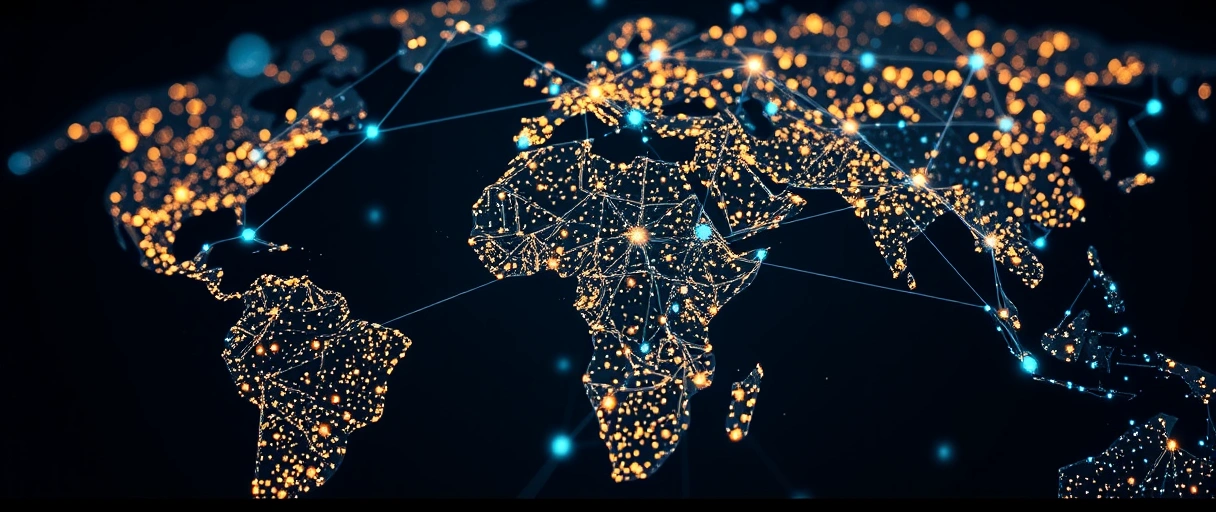
TCP/IP makes the internet work by giving every connected device a common addressing and delivery standard across independent networks. The internet is a network of networks, and TCP/IP provides the shared rules that let those separate networks exchange data. Its role is described below:
- A universal standard lets devices on different networks and operating systems communicate.
- Global addressing through IP gives every device a reachable address across the internet.
- End-to-end delivery through TCP moves data accurately between distant applications.
- Routing between networks lets packets cross many networks to reach any destination.
TCP/IP gives the internet one common standard so independently operated networks interconnect, which is why the suite is called the foundation of the internet. Its addressing is now shifting from 32-bit IPv4 toward 128-bit IPv6, which crossed roughly half of Google traffic in early 2026, as compared in the IPv4 versus IPv6 comparison.
How Does TCP/IP Relate to the OSI Model?
The four-layer TCP/IP model maps onto the seven-layer OSI model, with each TCP/IP layer combining one or more OSI layers into a broader function. OSI is a reference framework, while TCP/IP is the suite actually deployed, so the two describe the same communication at different levels of detail. The mapping is described below:
- The TCP/IP application layer covers the OSI application, presentation, and session layers.
- The TCP/IP transport layer matches the OSI transport layer, where TCP and UDP operate.
- The TCP/IP internet layer matches the OSI network layer, where IP routes packets.
- The TCP/IP link layer covers the OSI data link and physical layers.
The OSI model describes communication in finer detail than TCP/IP’s four layers, explained in the overview of the OSI model. The ISO defines OSI while the IETF defines TCP/IP, so the two frameworks come from different standards bodies.
TCP/IP Four-Layer Comparison Table
| TCP/IP Layer | Function | Example Protocols | OSI Layers Covered |
|---|---|---|---|
| Application | Carries application data | HTTP, HTTPS, DNS, FTP | Application, Presentation, Session |
| Transport | Delivers data between applications | TCP, UDP | Transport |
| Internet | Addresses and routes packets | IP, ICMP | Network |
| Link | Moves frames on the local medium | Ethernet, Wi-Fi (802.11) | Data Link, Physical |
What Supporting Protocols Run Within TCP/IP?
Supporting protocols within TCP/IP include ICMP, ARP, DNS, and DHCP, each handling a task that TCP and IP do not perform alone. A supporting protocol fills a specific role, from reporting errors to resolving names, so the suite functions end to end. The main ones are listed below:
- Internet Control Message Protocol (ICMP) reports errors and runs diagnostics such as the ping command.
- Address Resolution Protocol (ARP) maps an IP address to a hardware address on the local network.
- Domain Name System (DNS) translates domain names into the IP addresses that IP routes to.
- Dynamic Host Configuration Protocol (DHCP) assigns IP addresses to devices automatically as they join a network.
ARP links the internet layer to the hardware address defined in the description of a MAC address, while DNS resolves names to the addresses in the overview of an IP address. These protocols run alongside TCP and IP to complete the suite.
Last Thoughts on TCP/IP
TCP/IP is the protocol suite that runs the internet by addressing, routing, and reliably delivering data between devices. Its four layers, link, internet, transport, and application, divide the work, with IP addressing and routing packets and TCP ensuring they arrive complete and in order. TCP is connection-oriented and reliable while UDP is connectionless and faster, and the suite gives independent networks the common standard that forms the internet. The current TCP behavior is set by RFC 9293, which in 2022 replaced the original RFC 793.
TCP/IP is the four-layer model the internet actually runs on, while the seven-layer OSI model remains the reference for teaching and troubleshooting. The hub on computer networks connects it to the wider set of networking concepts, and you can continue with the overview of the OSI model, the explanation of network protocols, or the IPv4 versus IPv6 comparison.
Key Takeaways:
- TCP/IP is the foundational internet protocol suite that combines TCP and IP with related protocols.
- The four layers are link, internet, transport, and application, as defined in RFC 1122.
- IP addresses and routes packets between networks, while TCP delivers them reliably and in order.
- TCP is connection-oriented and reliable; UDP is connectionless and faster without acknowledgments.
- Every TCP connection opens with a three-way handshake (SYN, SYN-ACK, ACK) to agree on sequence numbers.
- The current TCP standard is RFC 9293 (STD 7, 2022), which replaced RFC 793; UDP is RFC 768.
- TCP/IP is the four-layer model the internet runs on; OSI is the seven-layer teaching reference.
Frequently Asked Questions (FAQs)
What is TCP/IP in simple terms?
TCP/IP is the foundational protocol suite that runs the internet. It combines the Transmission Control Protocol for reliable, ordered delivery with the Internet Protocol for addressing and routing packets between networks, organized into four layers.
What are the four layers of TCP/IP?
The four layers are the link layer, the internet layer, the transport layer, and the application layer, as defined in RFC 1122. Each serves the layer above and uses the layer below to divide communication into stages.
What is the difference between TCP and UDP?
TCP is connection-oriented and delivers data reliably and in order by acknowledging and retransmitting, which suits web pages, email, and file transfer. UDP is connectionless and sends datagrams faster with no acknowledgments, which suits live voice, video, and online gaming.
What is the TCP three-way handshake?
It is the three-step exchange that opens a TCP connection: the client sends SYN with its initial sequence number, the server replies SYN-ACK with its own, and the client sends ACK. Both ends then agree on sequence numbers before any data flows.
How does TCP/IP relate to the OSI model?
TCP/IP is the four-layer model the internet actually runs on, while OSI is a seven-layer reference framework used for teaching and troubleshooting. The TCP/IP application layer alone covers the OSI application, presentation, and session layers.
Is TCP/IP still based on RFC 793?
No. The current TCP standard is RFC 9293 (STD 7), published in August 2022, which collects decades of fixes and obsoletes the original RFC 793. UDP is still defined by RFC 768, and the four-layer host model by RFC 1122.
About the author

Nizam Ud DeenFounder and Tech Blogger
Muhammad Nizam Ud Deen Usman is the founder of theCoreiTech and the author of The Local SEO Cosmos. He has worked in search since 2014 as an SEO consultant for eCommerce stores and local businesses, specialising in eCommerce SEO, local SEO and technical SEO, and runs SEO Academy and the SEO Community from Multan, Pakistan. He also founded ORM Digital Solutions, a digital agency serving medium and large businesses, and holds a degree from the University of Education, Lahore (Multan Campus). Plerdy lists him among its Best 20+ SEO Experts in Pakistan. Nizam started theCoreiTech in 2012 to make computers easier to understand and use for everyone. More of his work is at nizamuddeen.com.
