
An embedded computer is a small, dedicated computer built into a larger device to do one fixed job, like running a microwave, controlling a car’s brakes, or reading a heart monitor. You never load new programs onto it the way you do on a laptop. Its hardware and software are designed together for that single task, which is why embedded computers are cheap, reliable, and almost invisible, even though they are by far the most common type of computer on Earth.
What Is an Embedded Computer?
An embedded computer is a processor built permanently into a device to run one specific task, not a general-purpose machine you install software on:
- Dedicated: it runs a single program (called firmware) and nothing else, no app store, no new installs during normal use.
- Built in: the chip is a fixed part of the host device (a thermostat, an oven, a pacemaker), not a separate computer.
- Instant on: firmware is stored in flash memory and runs the moment power is applied, so there is no long boot-up.
- Often real-time: many must react within a strict deadline, like an airbag firing in milliseconds.
Best for: any product that needs to do one job dependably, cheaply, and forever, without a person operating a full computer.
What Makes an Embedded Computer Different From a PC?
The difference is focus: an embedded computer does one fixed task, while a PC is a general-purpose machine that runs anything you install:
One job
Tiny and cheap
Low power
Real-time
Best for: remember it as “appliance vs. computer”, an embedded system is the appliance, locked to one purpose.
Microcontroller vs. Microprocessor: What Runs Inside?
Most embedded computers use one of two kinds of chip: a microcontroller (a whole tiny computer on one chip) or a microprocessor (a powerful CPU that needs helper chips):
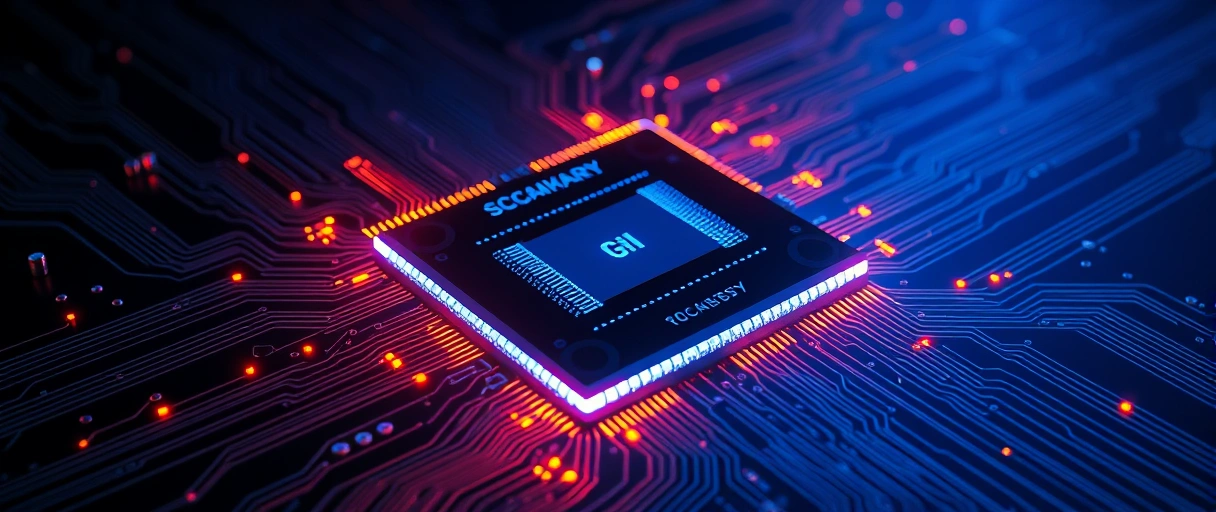
- Microcontroller (MCU): packs the CPU, memory, and RAM plus peripherals onto one chip. Cheap, low-power, boots in about a second. Runs simple firmware. Example: the chip in a washing machine or smart bulb.
- Microprocessor (MPU): is essentially just the CPU and needs external memory and storage. More powerful, runs a full operating system like Linux, but uses more power and boots slower. Example: a car’s infotainment screen.
- System-on-Chip (SoC): goes further, adding a GPU, modem, and more for richer devices like smart TVs and phones.
The table below compares the three building blocks side by side:
| Component | Integration | External RAM Needed | Typical Flash | Example |
|---|---|---|---|---|
| Microcontroller (MCU) | CPU + RAM + Flash + peripherals on one die | No | 16KB–2MB | STM32F4, ATmega328 |
| Microprocessor (MPU) | CPU core only | Yes (DDR3/DDR4 off-chip) | None (external) | Intel Atom E3900 |
| System-on-Chip (SoC) | CPU + GPU + DSP + modem + peripherals | Sometimes (PoP package) | External eMMC | Qualcomm QCS610, RPi CM4 |
Best for: MCUs win simple, battery-powered, real-time jobs; MPUs and SoCs win when the device needs a screen, networking, or a full OS.
What Chip Architectures Power Embedded Computers?
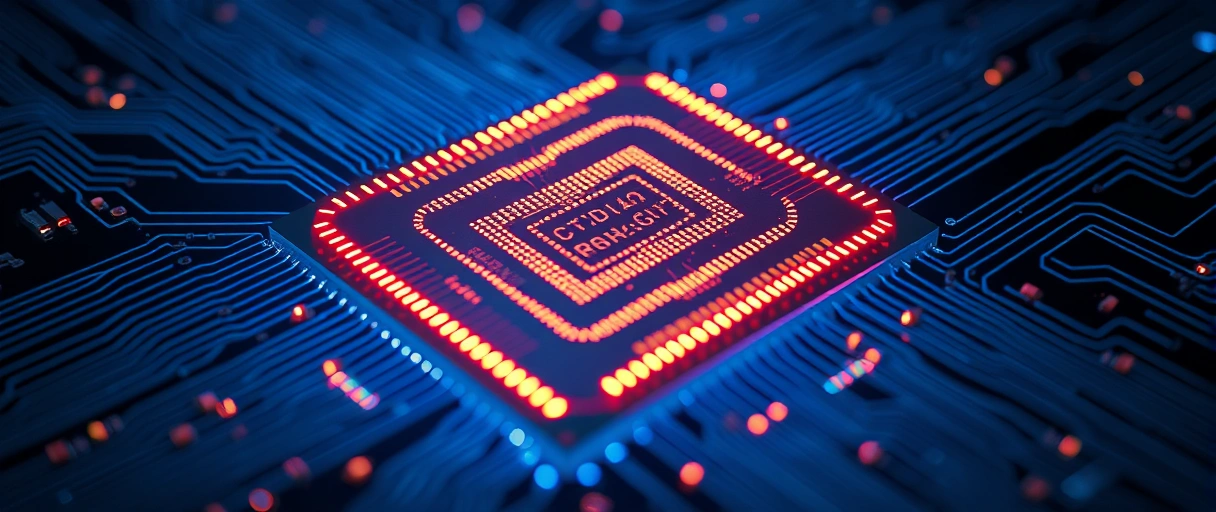
Three processor families cover most embedded hardware: ARM Cortex-M for small controllers, ARM Cortex-A for Linux-class devices, and the open-source RISC-V:
ARM Cortex-M
ARM Cortex-A
RISC-V
For a deeper look at the families behind these, see ARM vs x86 processors. Best for: Cortex-M for low-power control, Cortex-A for networked devices, RISC-V where avoiding license costs matters.
What Software Do Embedded Computers Run?
Embedded software comes in three levels: bare-metal firmware, a real-time operating system (RTOS), or embedded Linux, chosen by how complex the job is:
- Bare-metal: code runs straight on the chip with no OS. Tiny (as little as 256 bytes of RAM) and ultra-predictable. Used for LED controllers, sensors, and simple motor control.
- RTOS: a small operating system that guarantees timing (FreeRTOS runs in ~4KB of RAM). Used for multi-task devices like PLCs, motor controllers, and medical devices.
- Embedded Linux: a full OS with networking and filesystems, needing 32MB+ of RAM. Used for routers, smart cameras, and industrial touchscreens.
Where Are Embedded Computers Used?
Embedded computers run quietly across almost every industry. If a device does something “smart” without being a PC or phone, an embedded computer is inside it:
Automotive
Home appliances
Medical devices
Internet of Things
Industrial
Telecom and networking
Best for: seeing them as the hidden engine of modern life, billions ship every year precisely because almost every product now needs one.
Last Thoughts on Embedded Computers
Embedded computers are the most numerous computers on the planet, working invisibly inside cars, appliances, medical equipment, and the billions of IoT devices around us. The pattern is always the same: a small, dedicated chip (usually a microcontroller), running fixed firmware, doing one job reliably and at low power. Once you can spot the “appliance vs. computer” difference, you can recognize an embedded system inside almost any modern product.
Key Takeaways:
- One fixed job: an embedded computer runs a single firmware task built into a device, unlike a general-purpose PC.
- Microcontroller at the core: most use an MCU, a whole tiny computer on one chip; over 20 billion shipped in 2024.
- Three architectures: ARM Cortex-M (small/low-power), ARM Cortex-A (Linux-class), and open-source RISC-V dominate.
- Three software levels: bare-metal for simple jobs, an RTOS for real-time multitasking, embedded Linux for networked devices.
- Everywhere: a single car holds 50-150 of them, and IoT devices alone are projected to top 40 billion by 2030.
Frequently Asked Questions (FAQs)
What is the difference between a microcontroller and an embedded computer?
A microcontroller is the silicon component, CPU, RAM, flash, and peripherals on one chip. An embedded computer is the complete system: MCU plus power supply, PCB, firmware, and enclosure, built into a host device for a dedicated function.
What operating system do embedded computers use?
Embedded computers use bare-metal firmware, an RTOS (FreeRTOS, Zephyr), or embedded Linux. The choice depends on task complexity, RAM availability, and real-time latency requirements. Simple devices use bare-metal; networked devices typically use Linux.
How many embedded computers are in a modern car?
A modern vehicle contains 50 to 150 embedded computers (ECUs), managing functions including engine control, ABS, airbag deployment, infotainment, ADAS sensors, power windows, and battery management in electric vehicles.
What is real-time in embedded systems?
Real-time means the system responds to inputs within a guaranteed time deadline. Hard real-time systems (ABS brakes, pacemakers) must never miss a deadline. Soft real-time systems (media players) tolerate occasional latency spikes without system failure.
What is the most common embedded processor architecture?
ARM is the most common embedded processor architecture. ARM Cortex-M cores ship in over 50 billion microcontrollers. ARM Cortex-A cores power smartphones, IoT gateways, and embedded Linux platforms from Raspberry Pi to industrial HMIs.
About the author

Nizam Ud DeenFounder and Tech Blogger
Muhammad Nizam Ud Deen Usman is the founder of theCoreiTech and the author of The Local SEO Cosmos. He has worked in search since 2014 as an SEO consultant for eCommerce stores and local businesses, specialising in eCommerce SEO, local SEO and technical SEO, and runs SEO Academy and the SEO Community from Multan, Pakistan. He also founded ORM Digital Solutions, a digital agency serving medium and large businesses, and holds a degree from the University of Education, Lahore (Multan Campus). Plerdy lists him among its Best 20+ SEO Experts in Pakistan. Nizam started theCoreiTech in 2012 to make computers easier to understand and use for everyone. More of his work is at nizamuddeen.com.
