
The internet is a global network of networks. It links billions of computers, phones, and other devices so they can share data using one common set of rules called TCP/IP – and that shared system is what lets a message leave your device and reach almost any other device on Earth.
What Is the Internet?
The internet is a worldwide system of connected computer networks that talk to each other using the TCP/IP protocol:
- A network of networks: many separate networks (homes, schools, companies, whole countries) all linked together into one.
- Owned by no one: it is shared infrastructure – physical cables, routers, switches, and data centers joined by agreed-upon standards.
- Built on TCP/IP: a common language that lets devices from different makers and operating systems understand each other.
In plain terms: the internet is the global plumbing that moves data; the things you use online are services running through that plumbing.
Internet vs the World Wide Web
These two terms get mixed up, but they are not the same: the internet is the network; the World Wide Web is one service that runs on it.
The internet
The World Wide Web
Other internet services
How Does Data Move Across the Internet? (Packets)
Data does not travel as one big lump – it is broken into small packets that are sent separately and reassembled at the other end:
- Split: a file, message, or web page is chopped into many small packets.
- Addressed: every device has a unique IP address, and each packet carries the destination address in its header.
- Routed: routers read each packet’s destination and forward it to the next router along the best available path – different packets can take different routes.
- Reassembled: at the destination, TCP puts the packets back in order and re-requests any that went missing, so the full message arrives complete.
Why packets: splitting data lets the network share links efficiently and route around congestion or breaks, instead of relying on one fixed line.
TCP and IP: The Two Core Rules
The internet runs on a family of protocols, but two do the heavy lifting: IP handles addressing and delivery; TCP makes the delivery reliable.
IP (Internet Protocol)
TCP (Transmission Control Protocol)
Helpers
Who Connects You: ISPs and the Backbone
You do not plug straight into the whole internet – an ISP connects you, and high-capacity backbone links carry traffic between regions:
- ISP (Internet Service Provider): your home or office connects to a local ISP over DSL, cable, fiber, or mobile (4G/5G). The ISP gives you access and routes your traffic.
- Routing onward: when an ISP router gets a packet, it reads the destination IP and hands it to the next router along the shortest available path.
- The backbone: huge high-capacity links between ISPs and data centers – including undersea fiber cables that carry about 99% of intercontinental traffic – form the long-haul routes between regions and continents.
Internet Infrastructure Layers
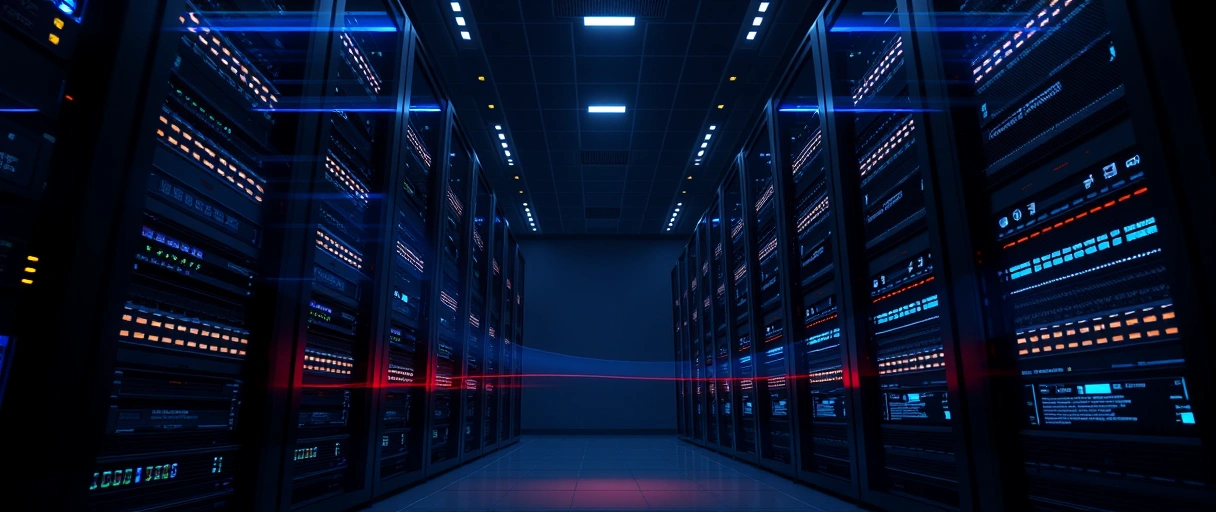
The internet’s plumbing is organised into tiers, each handing traffic up toward the global backbone:

- Last-mile ISPs connect end users and businesses (DSL, cable, fiber, mobile) – the link from the local exchange or cell tower to your premises.
- Regional ISPs gather traffic from last-mile ISPs and route it toward the backbone, usually within one country or region.
- Tier-1 backbone providers (such as AT&T, Lumen, NTT, and Telia) run global fiber networks and exchange traffic with each other for free under settlement-free peering.
- Internet Exchange Points (IXPs) are shared hubs where many networks interconnect directly to cut latency and cost; over 1,000 operate worldwide, with DE-CIX Frankfurt among the largest.
How Data Travels from Browser to Server
When you open a web page, your browser and the server complete a short, ordered sequence of steps:
- The browser sends the domain name to a DNS resolver, which returns the server’s IP address (typically within 20–120 ms).
- The browser initiates a TCP connection with the server via a 3-way handshake (SYN → SYN-ACK → ACK).
- If HTTPS, a TLS handshake follows, negotiating encryption keys (adds 1–2 round trips).
- The browser sends an HTTP GET request for the resource (e.g., GET /index.html).
- The server (or CDN edge node) processes the request and returns an HTTP response with the HTML, CSS, or other resource.
- The browser parses the HTML and issues additional requests for linked resources (images, scripts, stylesheets).
- The TCP connection is closed or kept alive for reuse (HTTP keep-alive / HTTP/2 multiplexing).
The payoff: all of this normally happens in a fraction of a second, which is why a page feels like it appears instantly.
How IP Packet Routing Works
Across the wider internet, routers pass packets from network to network until they reach the destination:
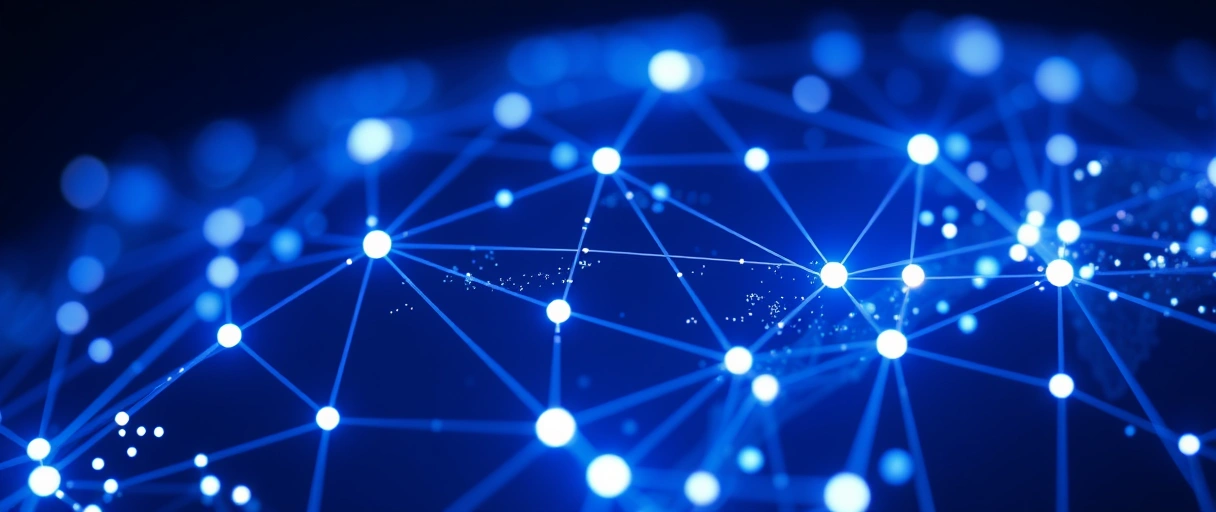
- Hop by hop: each router reads the destination IP in the packet header and forwards it to the next router using its routing table.
- BGP between networks: Border Gateway Protocol shares routes between large networks (Autonomous Systems) so packets can cross from one provider to another.
- Time to Live (TTL): a counter in each packet drops by 1 at every hop; if it hits 0 the packet is dropped, which stops infinite loops. A typical path crosses 15 to 25 hops.
Who Controls the Internet? (Governance)
No single authority runs the internet – responsibility is shared among several international bodies, each with one clear job:
- ICANN coordinates the global domain name system and IP-address allocation policy.
- IANA (part of ICANN) hands IP-address blocks to the 5 Regional Internet Registries and manages protocol numbers and the DNS root zone.
- IETF publishes the internet’s technical standards as public RFC documents (for example, RFC 791 defines IPv4).
- W3C develops standards for the World Wide Web itself, such as HTML and CSS.
- Regional Internet Registries (RIRs): ARIN, RIPE NCC, APNIC, LACNIC, and AFRINIC manage IP addresses region by region.
A Brief History: From ARPANET to the Web
The internet grew out of a research network and reached its modern form in stages, with 1983 marking the switch to TCP/IP:
- 1969: ARPANET sends its first message between two universities; the system crashed after just two letters of “LOGIN”.
- 1971: the first network email is sent, and the “@” sign is chosen to separate user from host.
- 1974: Vint Cerf and Robert Kahn publish the design that became TCP and IP.
- 1983 (the “flag day”): ARPANET switches to TCP/IP – widely cited as the birth of the modern internet – and DNS arrives the same year.
- 1989-1991: Tim Berners-Lee invents the World Wide Web, a service on top of the internet that made it usable for everyone.
Internet vs Intranet vs Extranet
These three use the same TCP/IP technology but differ in who is allowed to access them:
- Internet: public – open to anyone worldwide.
- Intranet: private – for one organisation’s own staff, behind its firewall.
- Extranet: restricted – extends limited access to selected outside partners over a VPN or secure portal.
The table below compares them across access, control, typical use, and security:
| Feature | Internet | Intranet | Extranet |
|---|---|---|---|
| Access scope | Public — anyone worldwide | Private — organization employees only | Restricted — selected external partners |
| Who controls it | Distributed (ICANN, IETF, ISPs) | Organization IT department | Organization IT + partner agreements |
| Typical use | Global communication, commerce, media | Internal HR, documents, collaboration tools | Supply chain portals, partner data sharing |
| Authentication | Generally open; services require login | Corporate credentials required | VPN or certificate-based access |
| Security boundary | Public-facing, firewall-protected services | Behind corporate firewall | DMZ or VPN tunnel to partner network |
| Example | Google, Wikipedia, YouTube | Company SharePoint, internal wiki | Supplier ordering portal, insurance broker portal |
Last Thoughts on the Internet
The internet is a global network of networks with no single owner, run through international cooperation and built on the TCP/IP rules. Data crosses it as packets, addressed by IP and made reliable by TCP, carried from your ISP across a global backbone of fiber and undersea cables.
Keep the core distinction clear: the internet is the infrastructure, and the World Wide Web is just one service riding on top of it, alongside email, video calls, and everything else you do online.
Key Takeaways:
- The internet is a global network of networks using TCP/IP; the World Wide Web is one service that runs on top of it.
- Data travels as packets: IP addresses and routes them, and TCP reassembles them in order and re-sends anything lost.
- An ISP connects you to the internet; high-capacity backbone links and undersea cables (about 99% of intercontinental traffic) carry data between regions.
- No one owns the internet – ICANN, IANA, IETF, W3C, and the 5 RIRs share governance.
- TCP/IP became the standard on the 1983 “flag day,” and the web was invented around 1989-1991.
Frequently Asked Questions (FAQs)
Who owns the Internet?
No single entity owns the Internet. Thousands of ISPs, backbone providers, and organizations cooperatively operate it under shared protocols. ICANN coordinates naming, IANA manages IP allocation, and IETF publishes technical standards.
What is the difference between the Internet and the World Wide Web?
The Internet is the global physical and logical network infrastructure. The World Wide Web is one service running on the Internet, consisting of web pages linked by HTTP/HTTPS. Email, VoIP, and FTP are other Internet services distinct from the Web.
How many people use the Internet in 2024?
5.35 billion people use the Internet as of 2024, representing 64% of the global population, according to ITU data.
What protocol routes data between networks on the Internet?
BGP (Border Gateway Protocol) routes data between Autonomous Systems across the Internet. Within a single network or AS, protocols such as OSPF or IS-IS handle internal routing.
What percentage of intercontinental Internet traffic goes through submarine cables?
Submarine cables carry 99% of intercontinental Internet traffic. Over 400 cable systems are in service worldwide as of 2024, totaling more than 1.3 million kilometers on the ocean floor.

